Digital Entrepreneurs and Physical Collectibles: The Perfect Combination
 By
By
Digital Entrepreneurs and Physical Collectibles: The Perfect Combination
In an era where digital dominance seems absolute, something fascinating is happening. Digital entrepreneurs—those masters of online business, e-commerce platforms, and virtual marketplaces—are increasingly drawn to the tangible world of physical collectibles. This isn’t just a quirky hobby trend; it’s a strategic convergence that’s reshaping both industries in remarkable ways.
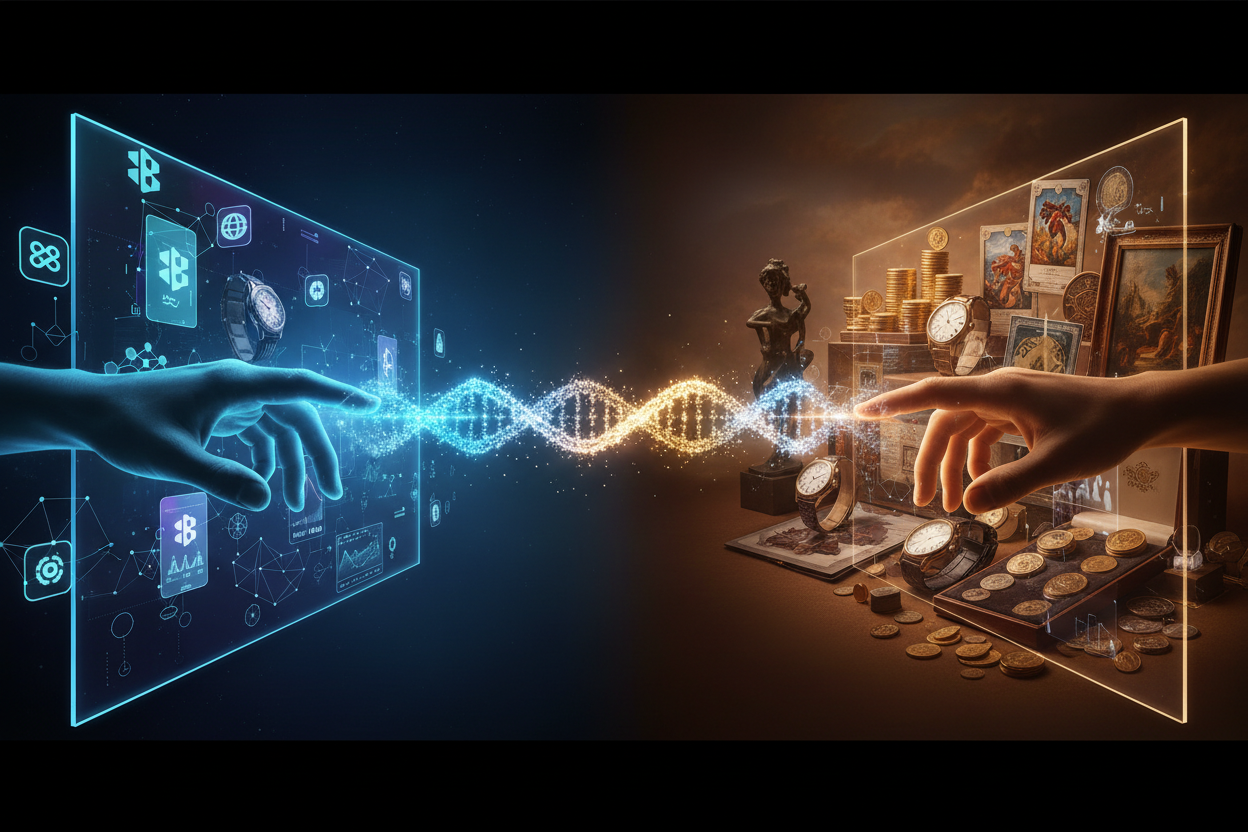
The marriage between digital expertise and physical collectibles creates unique opportunities that neither realm could achieve alone. From leveraging online marketing prowess to authenticate vintage items, to using digital platforms to reach global collector communities, this combination is proving to be more than the sum of its parts.
The Digital Entrepreneur’s Natural Advantage in Collectibles
Digital entrepreneurs possess a unique skill set that translates beautifully into the collectibles market. Their understanding of online consumer behavior, digital marketing strategies, and e-commerce optimization gives them significant advantages over traditional brick-and-mortar collectible dealers.
Consider the typical digital entrepreneur’s toolkit: they understand SEO, social media marketing, email campaigns, and conversion optimization. When applied to collectibles, these skills become powerful weapons. They can research market trends using digital analytics tools, identify undervalued items through data analysis, and reach collectors worldwide through targeted online campaigns.

Moreover, digital entrepreneurs are naturally comfortable with technology-driven authentication methods, blockchain verification systems, and digital marketplaces that are increasingly becoming standard in the collectibles world. They’re not intimidated by QR codes, digital certificates of authenticity, or online appraisal platforms—tools that sometimes overwhelm traditional collectors.
Why Physical Collectibles Appeal to Digital Natives
After spending years in the intangible digital realm, many entrepreneurs find themselves craving something real, something they can hold and display. Physical collectibles satisfy this fundamental human need for tangible ownership in ways that digital assets simply cannot.
There’s also the diversification factor. Smart digital entrepreneurs understand the importance of not putting all their eggs in one basket. Physical collectibles represent an alternative investment class that often moves independently of digital markets, providing valuable portfolio diversification.
The storytelling aspect of collectibles also appeals to entrepreneurs who’ve built their careers on creating compelling narratives around brands and products. Every vintage watch, rare comic book, or antique toy has a story—and digital entrepreneurs excel at uncovering, crafting, and sharing these narratives in ways that add significant value.
Building Bridges Between Online and Offline Communities
One of the most exciting developments in this space is how digital entrepreneurs are connecting previously isolated collector communities. Traditional collectible markets were often limited by geography—you could only access what was available in your local area or through expensive travel to specialized shows and auctions.
Digital entrepreneurs are breaking down these barriers by creating online platforms that bring together collectors from around the world. They’re building marketplaces, forums, and social networks that allow collectors to share knowledge, trade items, and build relationships regardless of physical location.
These platforms often incorporate features that traditional collectible venues couldn’t offer: detailed item histories, price tracking, authenticity verification systems, and sophisticated search and filtering capabilities. The result is a more efficient, transparent, and accessible collectibles market.
Leveraging Technology for Authentication and Valuation
Authentication has always been one of the biggest challenges in the collectibles world. Digital entrepreneurs are uniquely positioned to address this challenge by leveraging cutting-edge technologies like artificial intelligence, blockchain, and advanced imaging systems.
Some are developing AI-powered authentication tools that can analyze high-resolution images to detect signs of forgery or restoration. Others are implementing blockchain-based provenance tracking systems that create immutable records of an item’s ownership history. These technological solutions not only increase buyer confidence but also command premium prices in the marketplace.
Digital entrepreneurs are also revolutionizing collectible valuation by applying big data analytics to historical sales information, market trends, and condition assessments. This data-driven approach to pricing is more accurate and transparent than traditional methods that relied heavily on subjective expert opinions.
Creating Hybrid Business Models
The most successful digital entrepreneurs in the collectibles space aren’t just selling physical items online—they’re creating entirely new hybrid business models that blend digital and physical elements in innovative ways.
Some are offering subscription services that deliver curated collectibles to customers’ doors, combining the convenience of digital commerce with the excitement of physical discovery. Others are creating augmented reality experiences that allow collectors to visualize how items would look in their homes before purchasing.
Virtual showrooms and online exhibitions are becoming increasingly sophisticated, offering immersive experiences that rival physical galleries and museums. These digital presentations often include detailed 360-degree views, zoom capabilities, and interactive features that provide more information than traditional in-person viewing would allow.
The Investment Potential of This Convergence
From an investment perspective, the combination of digital expertise and physical collectibles is creating compelling opportunities. Digital entrepreneurs understand market dynamics, consumer psychology, and trend analysis in ways that give them significant advantages in identifying undervalued collectibles.
They’re also better positioned to capitalize on the growing intersection between digital and physical collecting. As NFTs and digital collectibles gain mainstream acceptance, entrepreneurs who understand both worlds can create products and services that bridge these markets.
The global reach enabled by digital platforms also means that collectibles can find their way to the collectors who value them most, regardless of geographic boundaries. This increased market efficiency typically leads to better price discovery and higher returns for savvy investors.
Challenges and Considerations
Despite the exciting opportunities, this convergence isn’t without challenges. Physical collectibles require different skills than digital products—storage, handling, shipping, and insurance all become important considerations. Digital entrepreneurs entering this space need to develop new competencies or partner with experts who understand the physical aspects of collectible management.
There’s also the learning curve associated with different collectible categories. Each market—whether it’s vintage guitars, rare books, or classic cars—has its own nuances, terminology, and community dynamics that take time to master.
Regulatory considerations can also be more complex when dealing with physical items, especially when shipping across international borders or dealing with items that have cultural or historical significance.
The Future of Digital-Physical Collectible Integration
Looking ahead, the integration between digital entrepreneurship and physical collectibles is likely to deepen further. Emerging technologies like advanced 3D scanning, haptic feedback systems, and virtual reality are creating new possibilities for experiencing and interacting with collectibles remotely.
We’re also seeing the development of “phygital” collectibles—physical items that come with digital components or experiences. These might include collectible figures with associated mobile games, trading cards with augmented reality features, or vintage items with detailed digital histories and documentation.
The rise of the metaverse and virtual worlds is creating new categories of collectibles that exist simultaneously in physical and digital realms, opening up entirely new markets and opportunities for creative entrepreneurs.
The combination of digital entrepreneurship and physical collectibles represents more than just a business trend—it’s a fundamental shift in how we think about ownership, value, and community in the modern economy. Digital entrepreneurs bring innovation, efficiency, and global reach to traditional collectible markets, while physical collectibles provide the tangible satisfaction and diversification that purely digital businesses often lack.
This perfect combination is creating new opportunities for both seasoned collectors and digital natives looking to expand their horizons. As technology continues to evolve and the lines between digital and physical continue to blur, we can expect this convergence to produce even more innovative and exciting developments in the years to come.
For digital entrepreneurs considering this space, the key is to start with genuine passion and curiosity about collectibles, combined with a willingness to learn from established collectors and experts. The most successful ventures in this space are those that respect the traditions and communities of physical collecting while bringing the innovation and efficiency of digital entrepreneurship to bear on age-old challenges and opportunities.
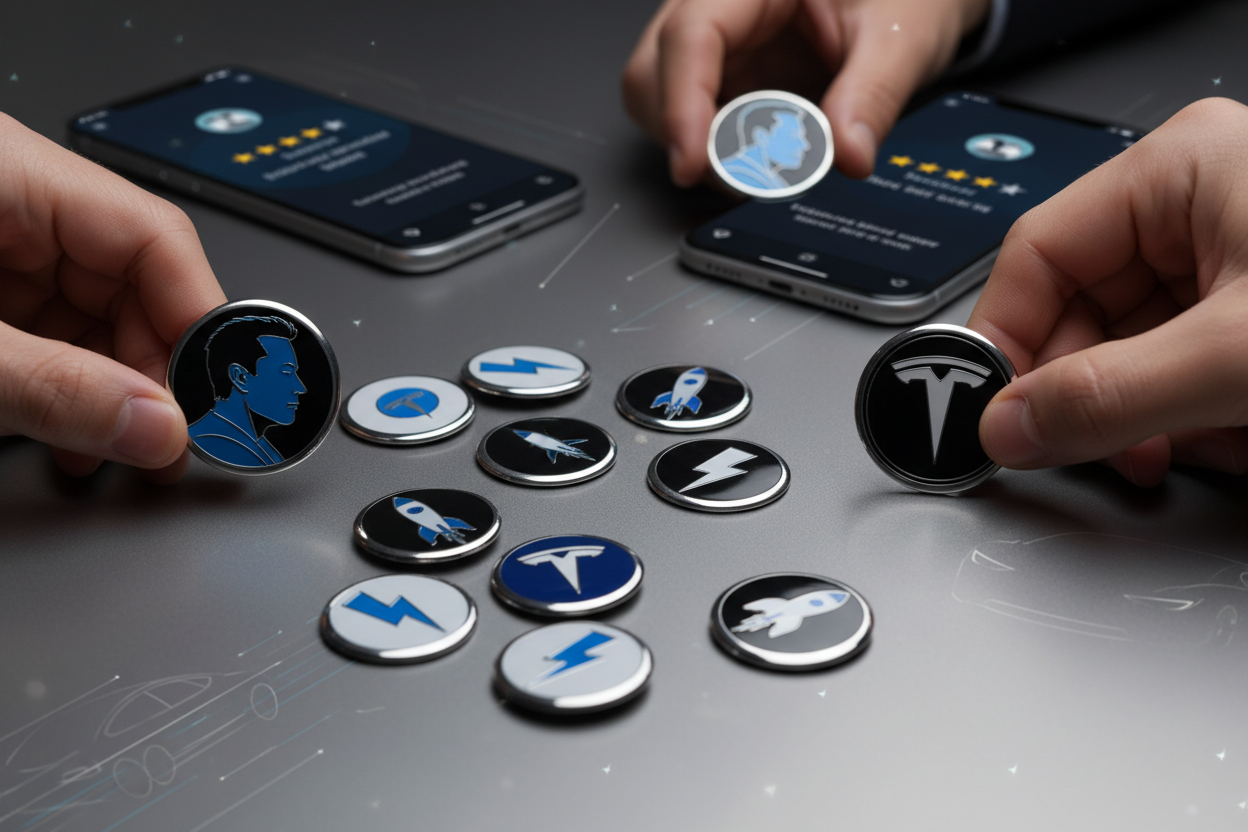
Own a Piece of the Revolution – The Elon Musk Tribute Badge
While politicians talk and bureaucrats delay, Elon Musk builds. He made electric cars mainstream, revolutionized space travel, and defended free speech on a global stage. This isn’t just a collectible. It’s a symbol of American innovation, self-reliance, and the courage to act.
Crafted from military-grade alloy with precision 3D engraving, this limited-edition badge features Elon’s portrait alongside the iconic logos of SpaceX, Tesla, and X. Only 250 exist worldwide. No reruns. No second chances.
Whether on your desk, workshop wall, or display case, it’s a daily reminder: The future isn’t coming. You build it. Now.