The Craftsmanship Revolution: Why Handmade Badges Beat Mass Production
 By
By
The Craftsmanship Revolution: Why Handmade Badges Beat Mass Production
In our increasingly digital world, there’s something profoundly satisfying about holding a beautifully crafted object in your hands. The weight, the texture, the subtle imperfections that speak of human touch – these elements have sparked what many are calling the craftsmanship revolution. Nowhere is this movement more evident than in the world of badge making, where artisans are reclaiming territory once dominated by industrial machines and cookie-cutter designs.
While mass-produced badges flood the market with their uniform appearance and rock-bottom prices, a growing number of businesses, organizations, and individuals are discovering the compelling advantages of handmade alternatives. From corporate recognition programs to military honors, from scout achievements to custom promotional items, handcrafted badges are making a statement that goes far beyond their surface appeal.
The Art Behind Handmade Badge Creation
Creating a handmade badge is an intricate dance between traditional techniques and modern innovation. Master craftspeople spend years perfecting their skills, learning to manipulate metals like brass, copper, and silver with precision tools that have remained largely unchanged for centuries. Each badge begins as raw material, carefully measured and cut to exact specifications.
The process involves multiple stages of refinement. Artisans first create detailed sketches or digital designs, then transfer these concepts onto metal using specialized engraving tools or etching techniques. Colors are often applied through enamel work, where powdered glass is carefully placed and fired at high temperatures to create vibrant, durable finishes that can last generations.
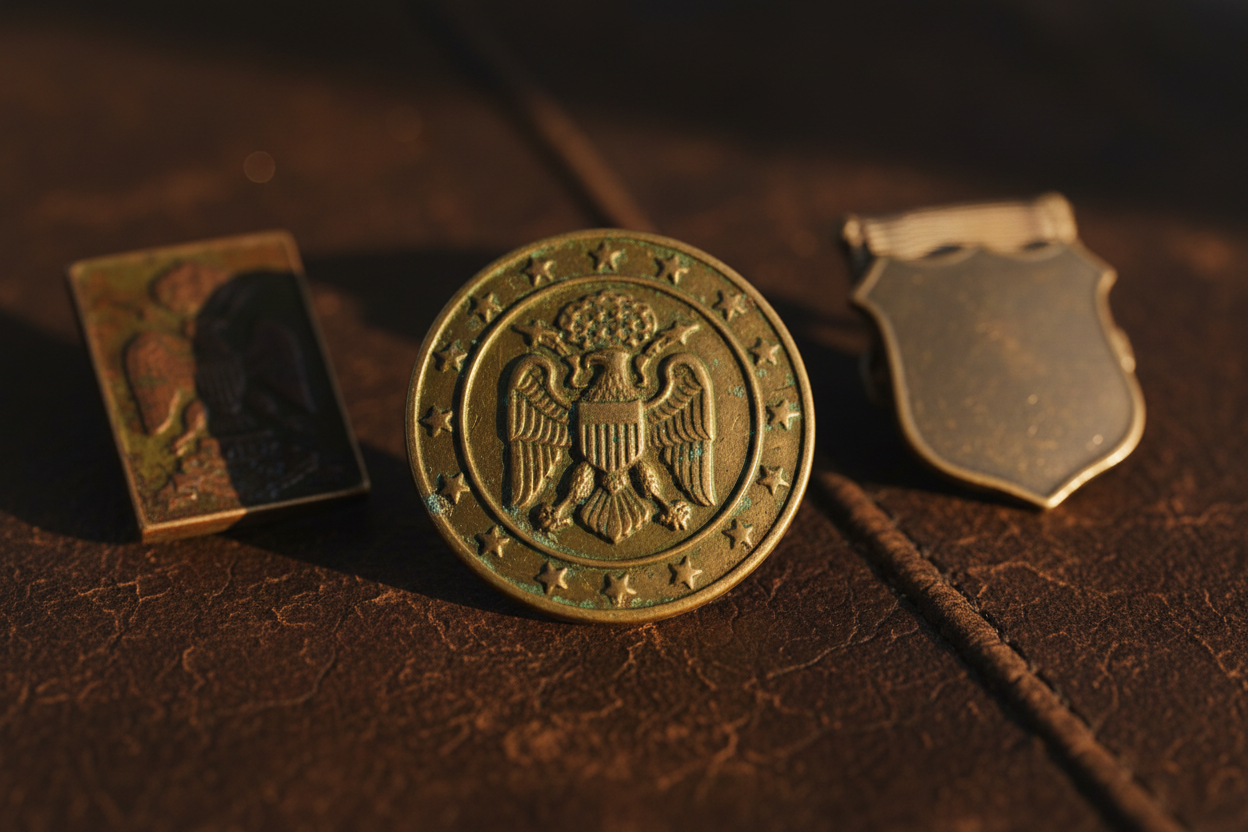
What sets handmade badges apart is the human element woven into every step. When an artisan notices a slight irregularity in the metal grain, they adapt their technique. When a color doesn’t quite match the vision, they mix custom blends until perfection is achieved. This level of attention and adaptation simply cannot be replicated by automated production lines.
Quality That Stands the Test of Time
The durability difference between handmade and mass-produced badges becomes apparent within months of regular use. Mass-produced badges often rely on thin plating, weak adhesives, and cost-cutting materials that deteriorate quickly. The bright chrome finish fades, the enamel chips, and the pin mechanisms fail at the worst possible moments.
Handcrafted badges, by contrast, are built to endure. Artisans select premium materials not just for their appearance, but for their longevity. Solid brass bases resist corrosion, while properly applied enamel creates a surface that maintains its luster through years of handling. The attachment mechanisms – whether pins, magnets, or clips – are chosen and installed with the understanding that they’ll face real-world stress.
I’ve encountered military veterans who still wear badges crafted decades ago, their surfaces bearing the gentle patina of age while maintaining structural integrity. These pieces tell stories not just through their designs, but through their ability to survive and accompany their wearers through life’s journey. Such longevity transforms a simple badge from a temporary accessory into a treasured keepsake.
Customization Beyond Mass Production Limits
Mass production thrives on standardization, but meaningful recognition often requires personalization. Handmade badge creation opens doors to customization options that would be prohibitively expensive or technically impossible in factory settings. Want to incorporate a specific Pantone color that matches your organization’s branding exactly? A skilled artisan can mix custom enamel to achieve that precise shade.
The shape possibilities become virtually limitless when working with craftspeople. While mass production typically offers a handful of standard shapes – circles, rectangles, shields – handmade badges can take any form imaginable. Corporate logos with intricate curves, commemorative designs featuring architectural elements, or badges that incorporate three-dimensional features all become feasible options.
Text customization reaches new levels of sophistication in handmade work. Rather than being limited to standard fonts, artisans can create custom lettering that reflects the personality of the organization or event. They can vary text sizes within a single badge, incorporate special characters or symbols, and even work in multiple languages with proper spacing and proportions.
Supporting Local Artisans and Communities
Every handmade badge purchase represents a vote for local craftsmanship and community economic development. When you choose artisan-made products, you’re supporting skilled workers who have invested years in perfecting their trade. These craftspeople often operate small workshops, employ local assistants, and source materials from regional suppliers, creating a ripple effect of economic benefit.
The relationship between customer and artisan also fosters a level of service and accountability that’s impossible with mass production. When issues arise, you’re speaking directly with the person who created your badges. They understand every aspect of the construction process and can offer solutions or modifications that factory customer service representatives simply cannot provide.
Many badge artisans also serve as keepers of traditional metalworking techniques that might otherwise disappear. By supporting their work, customers help preserve these skills for future generations. Some craftspeople even offer workshops or apprenticeships, ensuring that the knowledge continues to spread within their communities.
Environmental Impact and Sustainability
The environmental advantages of handmade badges extend beyond the obvious reduction in industrial manufacturing. Artisan workshops typically operate on a much smaller scale, consuming less energy and producing minimal waste. Many craftspeople have developed efficient processes that utilize nearly every scrap of material, turning offcuts into smaller projects or recycling metals back into raw material.
Transportation costs and emissions are significantly lower when badges are produced locally rather than shipped from overseas factories. The packaging requirements are often minimal – many artisans use recyclable materials or even reusable containers for delivery. Some workshops have embraced fully sustainable practices, using renewable energy sources and eco-friendly finishing processes.
The longevity factor also plays a crucial environmental role. When a badge lasts for decades instead of years, the overall resource consumption per unit of service drops dramatically. This durability means fewer replacements, less waste in landfills, and reduced demand for new raw materials over time.
The Economics of Value Over Volume
While handmade badges typically carry higher upfront costs than mass-produced alternatives, the total cost of ownership often favors the artisan-made option. When you factor in replacement costs, the superior durability of handcrafted badges can make them more economical over their lifetime. A badge that costs three times as much but lasts ten times longer represents significant value.
For organizations focused on recognition and awards, the perceived value of handmade badges enhances their effectiveness as motivational tools. Recipients understand the difference in quality and craftsmanship, which amplifies the impact of the recognition. This psychological value can translate into improved employee satisfaction, stronger brand loyalty, and enhanced organizational culture.
The customization capabilities of handmade badges also eliminate the need for compromise. Instead of settling for close approximations of your vision, you can achieve exactly what you want. This precision reduces the likelihood of needing redesigns or replacements due to dissatisfaction with the final product.
Finding the Right Artisan for Your Needs
Selecting a badge artisan requires more consideration than simply choosing the lowest bidder. Start by examining portfolios of previous work, paying attention to the variety of techniques demonstrated and the quality of finish. Look for craftspeople who show versatility in their approach while maintaining consistent excellence across different projects.
Communication style matters significantly in artisan relationships. The best craftspeople ask detailed questions about your vision, offer suggestions based on their experience, and provide clear timelines and expectations. They should be willing to create samples or prototypes when working on complex designs, ensuring alignment before full production begins.
Consider the artisan’s capacity and specializations. Some excel at intricate enamel work, while others focus on engraving or three-dimensional elements. Match your project requirements with the craftsperson’s strengths. Also, factor in their typical production timelines – quality handmade work takes time, and rushing the process rarely yields optimal results.
The Future of Handcrafted Excellence
As we move further into the digital age, the appeal of tangible, human-crafted objects continues to grow. The craftsmanship revolution in badge making reflects a broader cultural shift toward valuing quality, authenticity, and personal connection over pure efficiency and cost minimization. This trend shows no signs of slowing down.
Technology is actually enhancing rather than replacing traditional craftsmanship. Modern artisans incorporate laser engraving, computer-aided design, and precision measurement tools while maintaining the human touch that defines their work. This hybrid approach allows for greater precision and consistency while preserving the artisanal character that makes handmade badges special.
The growing appreciation for handcrafted badges is creating opportunities for new artisans to enter the field and for established craftspeople to expand their operations. Educational institutions are beginning to recognize the value of traditional metalworking skills, and some are developing programs to train the next generation of badge artisans.
In a world increasingly dominated by mass production and digital experiences, handmade badges offer something irreplaceable: the tangible evidence of human skill, creativity, and dedication. They represent not just recognition or identification, but a commitment to quality and craftsmanship that resonates with both creators and recipients. As more organizations and individuals discover these benefits, the craftsmanship revolution in badge making will continue to gain momentum, ensuring that this ancient art form thrives in our modern world.
Own a Piece of the Revolution – The Elon Musk Tribute Badge
While politicians talk and bureaucrats delay, Elon Musk builds. He made electric cars mainstream, revolutionized space travel, and defended free speech on a global stage. This isn’t just a collectible. It’s a symbol of American innovation, self-reliance, and the courage to act.
Crafted from military-grade alloy with precision 3D engraving, this limited-edition badge features Elon’s portrait alongside the iconic logos of SpaceX, Tesla, and X. Only 250 exist worldwide. No reruns. No second chances.
Whether on your desk, workshop wall, or display case, it’s a daily reminder: The future isn’t coming. You build it. Now.