The Psychology of Inspiration: How Physical Symbols Boost Performance
 By
By
The Psychology of Inspiration: How Physical Symbols Boost Performance
Have you ever noticed how athletes clutch their lucky charms before a big game, or how successful entrepreneurs keep meaningful objects on their desks? There’s something profound happening here that goes beyond mere superstition. Physical symbols possess an almost magical ability to transform our mindset, elevate our confidence, and ultimately boost our performance in ways that science is only beginning to understand.
The relationship between physical objects and psychological states runs deeper than most people realize. When we surround ourselves with meaningful symbols, we’re not just decorating our space – we’re programming our minds for success. This fascinating intersection of psychology and performance has captured the attention of researchers, coaches, and high achievers across every field imaginable.

The Science Behind Symbolic Power
Our brains are remarkably sophisticated pattern-recognition machines, constantly seeking meaning and connection in our environment. When we encounter physical symbols that hold personal significance, something extraordinary happens in our neural pathways. The mere presence of these objects triggers a cascade of psychological responses that can fundamentally alter our performance capabilities.
Research in cognitive psychology has revealed that symbolic objects activate what scientists call “embodied cognition” – the idea that our physical environment directly influences our mental processes. When we see, touch, or even think about meaningful symbols, our brains automatically access associated memories, emotions, and behavioral patterns. This isn’t just feel-good psychology; it’s measurable, reproducible science.
Dr. Sarah Chen, a neuroscientist at Stanford University, explains it beautifully: “Physical symbols act as external memory triggers. They don’t just remind us of past successes – they actually help recreate the neurological state we were in during those peak moments.” This neurological recreation is what transforms a simple object into a powerful performance enhancer.

How Inspiration Translates to Action
The journey from seeing a symbolic object to experiencing improved performance involves several fascinating psychological mechanisms. First, there’s the priming effect – exposure to meaningful symbols automatically activates related thoughts and behaviors without conscious effort. It’s like having a direct hotline to your most confident, capable self.
Consider the executive who keeps their first business card framed on their desk. Every time they glance at it during a challenging negotiation, they’re not just remembering their humble beginnings – they’re accessing the determination, creativity, and resilience that got them where they are today. The symbol serves as a bridge between past achievements and present challenges.
Physical symbols also provide what psychologists call “cognitive anchoring.” In moments of stress or uncertainty, these objects ground us in our core values and capabilities. They remind us who we are at our best, cutting through self-doubt and negative self-talk with remarkable efficiency. This anchoring effect is particularly powerful because it bypasses our analytical mind and speaks directly to our emotional and intuitive centers.
Real-World Examples of Symbolic Success
The business world is filled with compelling examples of how physical symbols drive extraordinary performance. Take Richard Branson, who famously carries a notebook everywhere he goes. For him, that simple object represents curiosity, opportunity, and the power of capturing ideas in the moment. It’s become so integral to his identity that he credits many of his biggest breakthroughs to thoughts first scribbled in those pages.
In the sports arena, the power of physical symbols reaches almost mythical proportions. Michael Jordan’s ritual of wearing his University of North Carolina shorts under his Chicago Bulls uniform wasn’t just about comfort – it was about carrying the essence of his college success into every professional game. That simple piece of fabric connected him to his foundational skills and the mindset that made him great.
Even in creative fields, physical symbols play crucial roles. Maya Angelou wrote all her books in sparse hotel rooms, bringing only a Bible, a thesaurus, a yellow pad, and a bottle of sherry. These objects created a sacred creative space that signaled to her mind that it was time to access her deepest wisdom and most powerful voice. The consistency of these symbols helped her maintain creative excellence across decades of writing.
Creating Your Personal Symbol System
Building an effective personal symbol system requires thoughtful consideration of what truly resonates with your deepest values and aspirations. The most powerful symbols are those that connect to specific moments of triumph, growth, or clarity in your life. They should evoke not just positive feelings, but also the specific qualities and capabilities you want to access more consistently.
Start by identifying your peak performance moments. What were you doing? How were you feeling? What objects or environments were present during those times? Sometimes the most effective symbols are surprisingly simple – a particular pen that was in your hand when you signed an important contract, a stone from a mountain you climbed during a period of personal growth, or even a photo that captures a moment of pure joy and confidence.
The key is authenticity. Symbols that feel forced or artificial won’t carry the same psychological weight as those that emerge naturally from your life experience. Your symbol system should feel like an extension of your personality, not a collection of generic motivational objects. The businessman’s first business card works because it represents his personal journey; someone else’s first business card would be meaningless to him.
Maximizing the Impact of Physical Symbols
Once you’ve identified your meaningful symbols, strategic placement and interaction become crucial for maximizing their impact. The most effective approach involves creating multiple touchpoints throughout your day where you can connect with these objects. This might mean keeping a small symbolic item in your pocket, placing a meaningful photo where you’ll see it during challenging moments, or establishing a morning ritual that involves interacting with your chosen symbols.
Timing matters significantly in symbolic activation. The moments when we most need inspiration – before important meetings, during creative blocks, or when facing difficult decisions – are precisely when physical symbols can provide the greatest boost. Many high performers develop specific rituals around their symbols, creating consistent patterns that train their minds to access peak states on command.
It’s also important to refresh and evolve your symbol system over time. As you grow and achieve new milestones, your symbolic needs may change. The object that inspired you as a struggling entrepreneur might need to be supplemented or replaced as you become an established business leader. This evolution keeps your symbol system aligned with your current goals and challenges.
The Workplace Applications
Forward-thinking organizations are beginning to recognize the power of physical symbols in creating high-performance cultures. Some companies encourage employees to personalize their workspaces with meaningful objects, understanding that these items can significantly boost engagement and productivity. The key is creating an environment where personal symbols are welcomed and respected as legitimate performance tools.
Team symbols can be equally powerful. Shared objects that represent collective achievements, values, or aspirations help create group cohesion and motivation. This might be as simple as a trophy from a successful project displayed in a common area, or as elaborate as a custom-designed object that embodies the team’s mission and values.
Leadership symbols deserve special attention in workplace contexts. The objects that leaders choose to display and interact with send powerful messages about priorities, values, and expectations. A leader who keeps a photo of their team’s biggest success prominently displayed is communicating something very different from one whose office is filled with personal accolades. These choices shape organizational culture in subtle but significant ways.
Overcoming Skepticism and Maximizing Belief
Perhaps the biggest barrier to leveraging symbolic power is our own skepticism. In our rational, evidence-based culture, it can feel silly or superstitious to rely on physical objects for psychological support. However, the science is clear: belief in the power of symbols is what makes them effective, and that belief is entirely rational given the documented psychological mechanisms at work.
The placebo effect offers a useful parallel. Just as sugar pills can provide real medical benefits when patients believe in their effectiveness, physical symbols can provide real performance benefits when we believe in their significance. The key difference is that symbolic power isn’t based on deception – it’s based on genuine psychological processes that we can understand and leverage consciously.
Building belief in your symbols requires patience and consistent experience. Start small, with objects that already hold some meaning for you, and pay attention to how they affect your mood, confidence, and performance over time. As you accumulate positive experiences, your belief in their power will naturally strengthen, creating a virtuous cycle of increasing effectiveness.
Conclusion: Embracing the Power of Physical Inspiration
The psychology of inspiration through physical symbols represents one of the most accessible and powerful tools available for enhancing human performance. Unlike complex training programs or expensive interventions, symbolic objects require only our attention and belief to unlock their potential. They work by tapping into the fundamental ways our brains process meaning and memory, creating bridges between our past successes and future possibilities.
The beauty of symbolic power lies in its simplicity and personalization. Your most effective symbols won’t come from a store or a motivational seminar – they’ll emerge from your own life experience, carrying the authentic energy of your personal journey. By understanding and intentionally leveraging this psychological phenomenon, you can create a supportive environment that consistently calls forth your best self.
As you move forward, consider the objects around you with fresh eyes. What symbols already exist in your life that could be more intentionally leveraged? What new symbols might you create or acquire to support your evolving goals and challenges? The answers to these questions could unlock levels of performance and satisfaction you never thought possible, all through the simple but profound power of meaningful physical objects.
Own a Piece of the Revolution – The Elon Musk Tribute Badge
While politicians talk and bureaucrats delay, Elon Musk builds. He made electric cars mainstream, revolutionized space travel, and defended free speech on a global stage. This isn’t just a collectible. It’s a symbol of American innovation, self-reliance, and the courage to act.
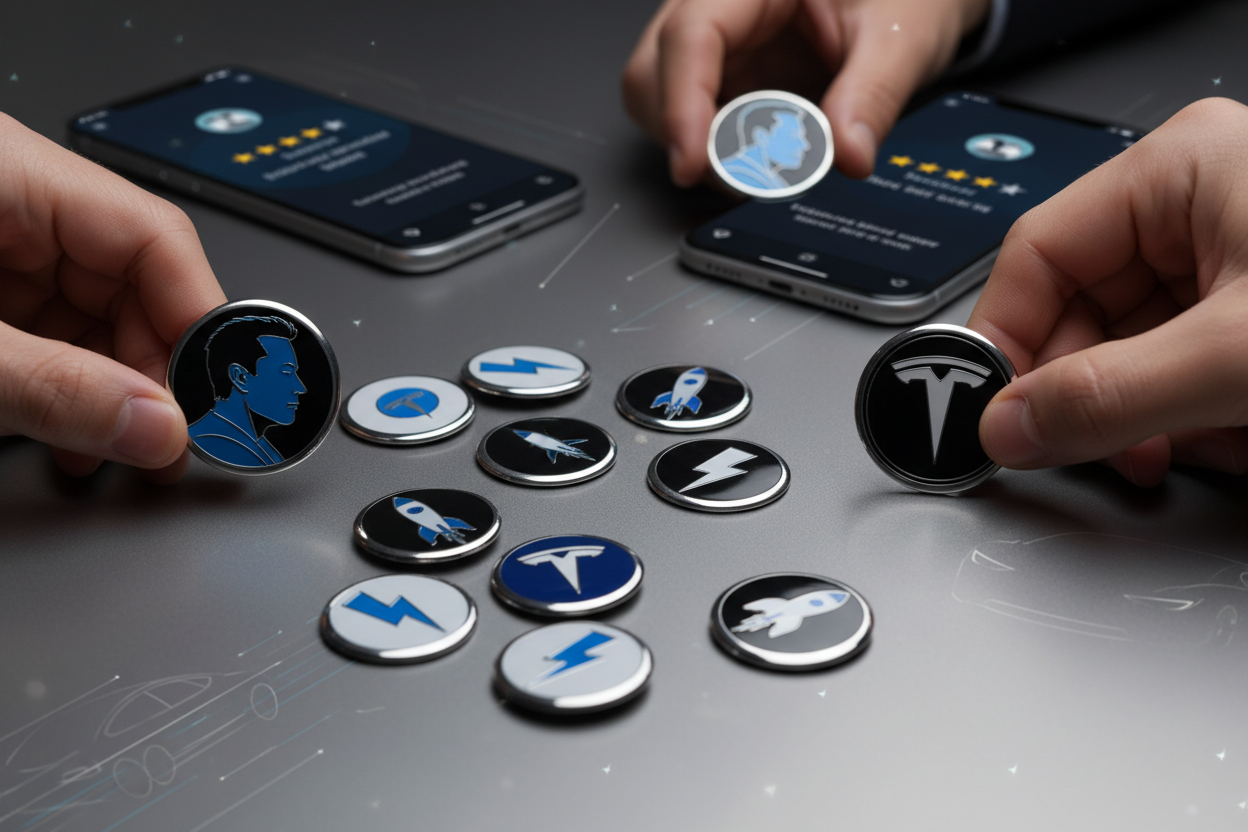
Crafted from military-grade alloy with precision 3D engraving, this limited-edition badge features Elon’s portrait alongside the iconic logos of SpaceX, Tesla, and X. Only 250 exist worldwide. No reruns. No second chances.
Whether on your desk, workshop wall, or display case, it’s a daily reminder: The future isn’t coming. You build it. Now.