Workshop Organization: Creating Inspiring Spaces with Collectible Decor
 By
By
Workshop Organization: Creating Inspiring Spaces with Collectible Decor
There’s something magical about stepping into a well-organized workshop where every tool has its place and inspiring collectibles catch your eye at every turn. Whether you’re a weekend woodworker, an artist, or someone who loves tinkering with vintage electronics, your workshop should be more than just a functional space – it should be a sanctuary that sparks creativity and reflects your passions.
I’ve spent countless hours in workshops over the years, from my grandfather’s cluttered garage filled with antique tools to modern maker spaces that feel more like galleries. What I’ve learned is that the most productive and enjoyable workshops strike a perfect balance between organization and personality. Today, we’ll explore how to transform your workspace into an inspiring environment using collectible decor that motivates you while keeping everything beautifully organized.
The Psychology of an Inspiring Workshop Environment
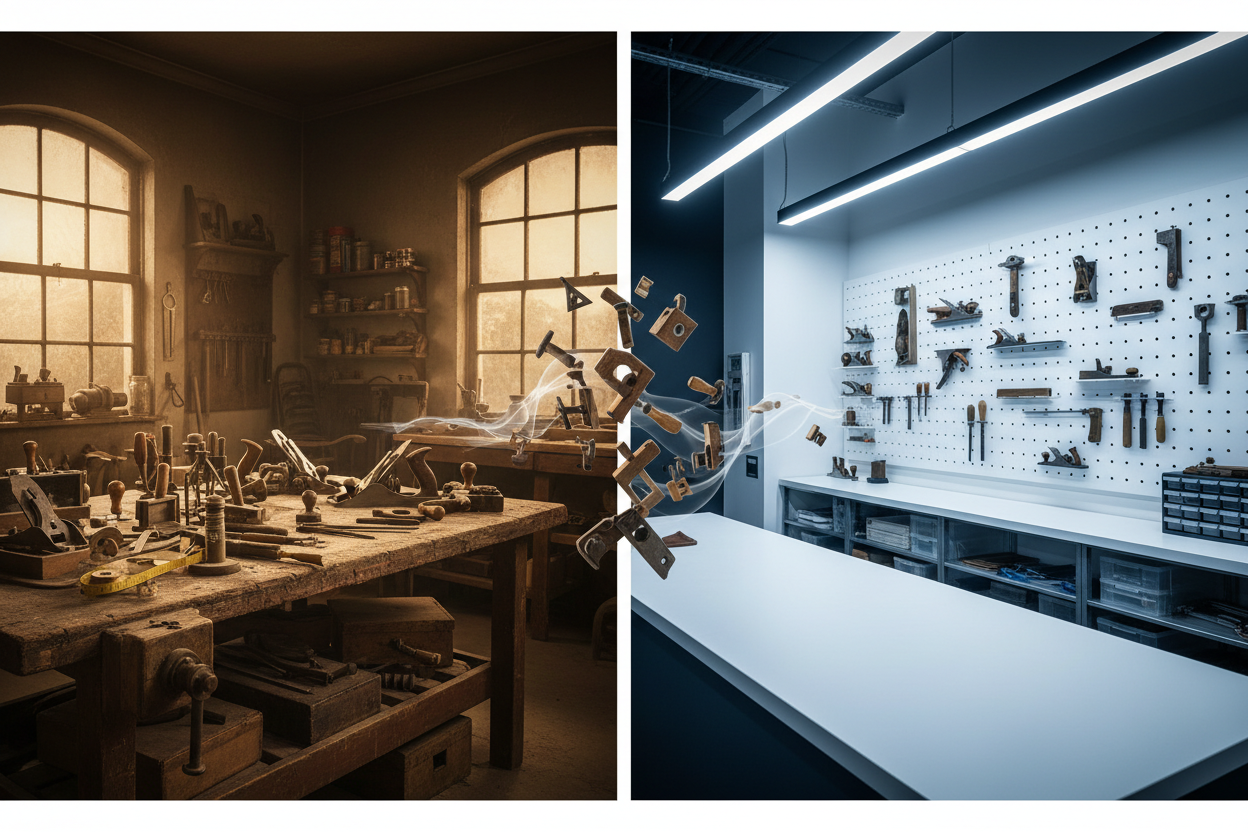
Before diving into the practical aspects of workshop organization, it’s worth understanding why your environment matters so much. Research consistently shows that our surroundings directly impact our creativity, productivity, and overall well-being. A cluttered, chaotic space can lead to mental fatigue and decreased focus, while a thoughtfully organized area with personal touches can boost motivation and inspire innovative thinking.
When you surround yourself with collectibles that have meaning to you – whether it’s vintage advertising signs, antique tools, or model airplanes – you create visual anchors that remind you why you love what you do. These pieces serve as conversation starters when friends visit, sources of inspiration during creative blocks, and tangible connections to the history and tradition of craftsmanship.
The key is finding the right balance. Too many decorative elements can become distracting, while too few can make your space feel sterile and uninspiring. Think of your workshop as a curated museum where every piece has earned its place through beauty, function, or sentimental value.
Strategic Placement of Collectible Workshop Decor
The secret to successfully incorporating collectibles into your workshop lies in strategic placement. You want these pieces to enhance your workspace without interfering with your workflow or safety. Start by identifying the natural focal points in your workshop – areas where your eyes naturally gravitate when you enter the space.
Wall space above your primary workbench is prime real estate for displaying meaningful collectibles. This area is typically at eye level when you’re working, providing inspiration without cluttering your actual work surface. Consider mounting vintage tools that represent your craft’s heritage, or display a collection of antique measuring devices that still function beautifully today.
Corner spaces often go underutilized in workshops, but they’re perfect for larger collectible pieces. A restored vintage drill press, an antique workbench, or a collection of wooden planes can transform a dead corner into a stunning display area. These pieces can often serve dual purposes – providing both visual interest and additional storage or work surfaces.
Don’t overlook vertical space on posts, beams, or the sides of cabinets. These areas are ideal for smaller collectibles like vintage advertising signs, old patent drawings, or collections of specialized tools. The key is to group similar items together and maintain consistent spacing to create visual harmony rather than chaos.
Functional Storage Solutions That Showcase Collections
One of the biggest challenges in workshop organization is finding storage solutions that keep your tools accessible while showcasing your collectibles. The good news is that many storage systems can serve both purposes beautifully when planned thoughtfully.
Open shelving systems work wonderfully for displaying collections while keeping frequently used items within easy reach. Consider installing floating shelves at varying heights to create visual interest and accommodate different sized collectibles. Mix functional storage containers with decorative pieces – perhaps vintage toolboxes alongside modern organizers, or antique jars filled with hardware next to contemporary drawer units.
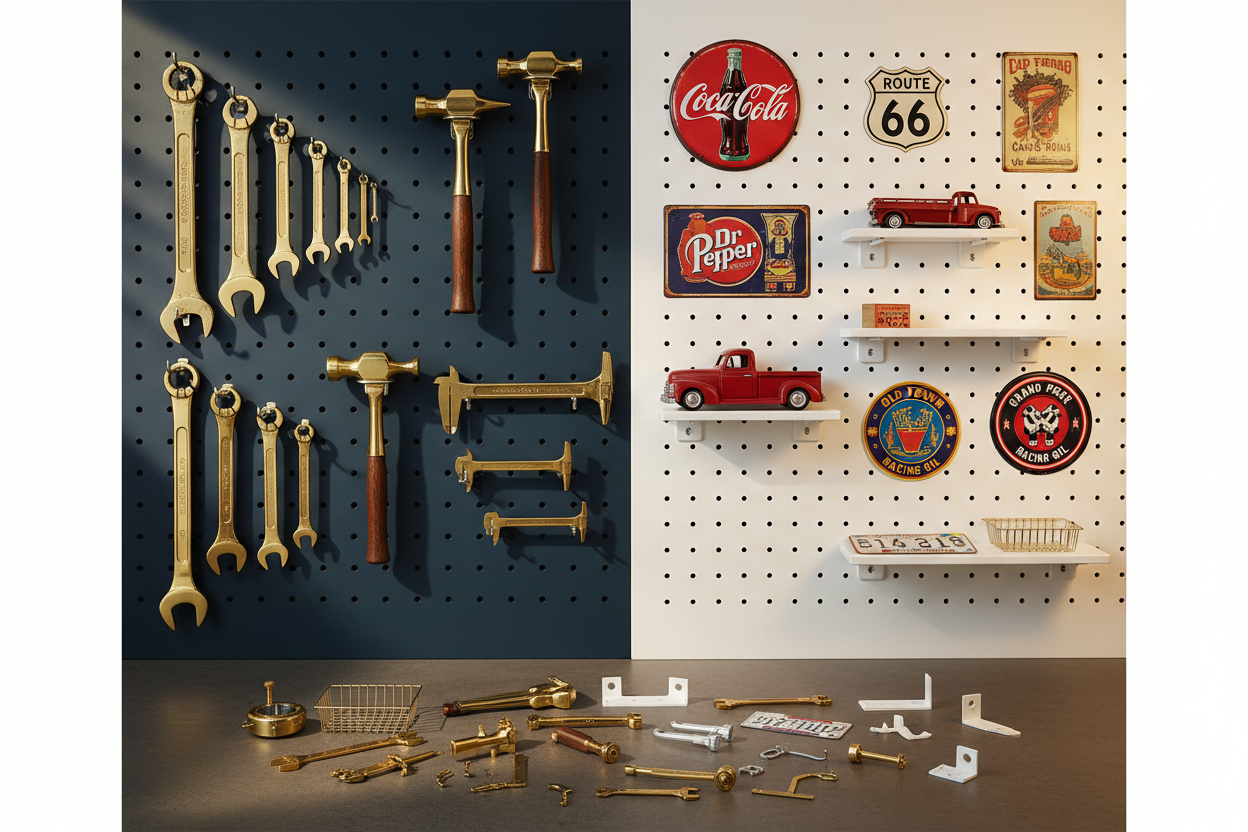
Pegboard systems have made a comeback in recent years, and for good reason. They offer incredible flexibility for both tool storage and collectible display. You can easily rearrange hooks and shelves as your collection grows or your needs change. Paint your pegboard in a color that complements your collectibles – a deep blue can make brass tools pop, while white creates a clean backdrop for colorful vintage signs.
Glass-front cabinets provide the perfect solution for valuable or delicate collectibles that need protection from dust and workshop debris. These cabinets allow you to showcase your treasures while keeping them safe. Consider adding LED strip lighting inside these cabinets to really make your collectibles shine and create dramatic focal points in your workshop.
Lighting Your Workshop for Maximum Visual Impact
Proper lighting is crucial for both functionality and showcasing your collectible decor effectively. Most workshops rely heavily on overhead fluorescent fixtures, which provide adequate task lighting but do little to enhance the visual appeal of your space or collectibles.
Layer your lighting to create both functional illumination and dramatic visual effects. Start with your primary task lighting – this should be bright, even, and positioned to minimize shadows on your work surfaces. LED shop lights have become incredibly affordable and provide excellent, consistent illumination for detailed work.
Add accent lighting to highlight your collectibles and create visual interest throughout the space. Track lighting systems offer excellent flexibility, allowing you to adjust spotlights to illuminate specific pieces as your collection evolves. Under-cabinet LED strips can dramatically enhance displays on shelves while providing additional task lighting for work surfaces.
Don’t underestimate the power of natural light if your workshop has windows. Natural light not only reduces energy costs but also provides the most accurate color rendering for detailed work. If privacy isn’t a concern, avoid heavy window treatments that block natural light. Instead, consider translucent options that provide privacy while still allowing light to filter through.
Creating Themed Display Areas Within Your Workshop
Organizing your collectibles into themed areas can create powerful visual impact while telling the story of your craft or interests. This approach works particularly well in larger workshops where you have the luxury of dedicating specific areas to different themes or functions.
Consider creating a “heritage corner” where you display antique tools and historical pieces related to your craft. This might include vintage hand planes for woodworkers, antique measuring instruments for machinists, or classic pottery tools for ceramicists. These displays serve as reminders of the rich tradition behind your work and can be incredibly inspiring during challenging projects.
Another effective approach is organizing displays around specific manufacturers or time periods. A collection of Stanley tools from the early 1900s, vintage Craftsman equipment, or mid-century modern design pieces can create cohesive, visually striking displays that add character to your workshop.
Seasonal or rotating displays keep your workshop feeling fresh and allow you to showcase larger collections without overwhelming your space. Consider dedicating one area to rotating displays where you can feature different aspects of your collection throughout the year. This approach also allows you to properly clean and maintain pieces that aren’t currently on display.
Balancing Function and Form in Workshop Design
The most successful workshop designs seamlessly blend functionality with aesthetic appeal. Every element in your space should serve a purpose, whether practical, inspirational, or both. This doesn’t mean sacrificing beauty for utility – quite the opposite. The most beautiful workshops are often the most functional ones.
Start by ensuring your most frequently used tools are easily accessible and properly stored. There’s no point in having a beautiful workshop if you can’t find what you need when you need it. Use the 80/20 rule – you probably use 20% of your tools 80% of the time. These tools deserve prime real estate in terms of accessibility and storage.
Once your functional needs are met, you can focus on incorporating collectibles and decorative elements that enhance rather than hinder your workflow. A vintage tool rack might be more beautiful than a modern plastic organizer, but only if it holds your tools securely and keeps them easily accessible.
Consider the maintenance requirements of your decorative choices. Delicate collectibles might not be suitable for areas where they’ll be exposed to sawdust, metal shavings, or chemical fumes. Choose display locations that protect your treasures while still allowing you to enjoy them regularly.
Maintaining Your Organized and Decorated Workshop
Creating an inspiring workshop is only half the battle – maintaining it requires ongoing commitment and smart systems. The good news is that a well-organized space with designated homes for everything is actually easier to keep clean and tidy than a cluttered workshop where items get piled wherever there’s space.
Establish regular cleaning routines that protect both your tools and your collectibles. Dust is the enemy of both functional equipment and decorative pieces. Consider installing an air filtration system if you do work that generates significant dust or debris. This investment will pay dividends in terms of both air quality and the longevity of your collectibles.
Develop habits that support your organizational systems. Always return tools to their designated homes after use, and resist the temptation to set items down “just for now” in convenient but inappropriate locations. These small habits, practiced consistently, will keep your workshop looking as good as the day you organized it.
Plan for growth in your collection and tool inventory. Leave some empty space in your display areas and storage systems to accommodate new additions. This foresight will prevent your carefully organized space from becoming cluttered as your interests and collection evolve over time.
Budget-Friendly Tips for Workshop Transformation
Creating an inspiring workshop doesn’t require a massive budget or complete renovation. Some of the most effective improvements can be accomplished with creativity, elbow grease, and modest investment in key areas.
Start with a thorough cleaning and decluttering session. You’ll be amazed how much better your space looks and feels when everything is clean and excess items are removed. This costs nothing but time and immediately improves both function and appearance.
Paint can work miracles in transforming a workshop’s atmosphere. Light colors make spaces feel larger and brighter, while darker accent walls can create dramatic backdrops for collectible displays. A fresh coat of paint on walls, pegboard, or even concrete floors can completely change your workshop’s character for the cost of a few gallons of paint.
Repurpose items you already own or find inexpensive alternatives at thrift stores, estate sales, and online marketplaces. Vintage toolboxes make excellent storage containers, old wooden crates create rustic shelving, and antique furniture pieces can provide both storage and display opportunities at fraction of the cost of new workshop furniture.
Your workshop should be a reflection of your personality, interests, and the work you’re passionate about. By thoughtfully incorporating collectible decor into a well-organized space, you create an environment that not only supports your projects but inspires you to tackle new challenges and explore creative possibilities. Remember that the best workshop is one that evolves with you – don’t be afraid to rearrange, add new pieces, or change themes as your interests develop. The goal is creating a space where you love to spend time, where every glance around the room reminds you why you’re passionate about your craft, and where the combination of form and function helps you do your best work.
Own a Piece of the Revolution – The Elon Musk Tribute Badge
While politicians talk and bureaucrats delay, Elon Musk builds. He made electric cars mainstream, revolutionized space travel, and defended free speech on a global stage. This isn’t just a collectible. It’s a symbol of American innovation, self-reliance, and the courage to act.
Crafted from military-grade alloy with precision 3D engraving, this limited-edition badge features Elon’s portrait alongside the iconic logos of SpaceX, Tesla, and X. Only 250 exist worldwide. No reruns. No second chances.
Whether on your desk, workshop wall, or display case, it’s a daily reminder: The future isn’t coming. You build it. Now.