Free Speech Symbols: How Elon Musk Badges Represent Digital Liberty
 By
By
Free Speech Symbols: How Elon Musk Badges Represent Digital Liberty
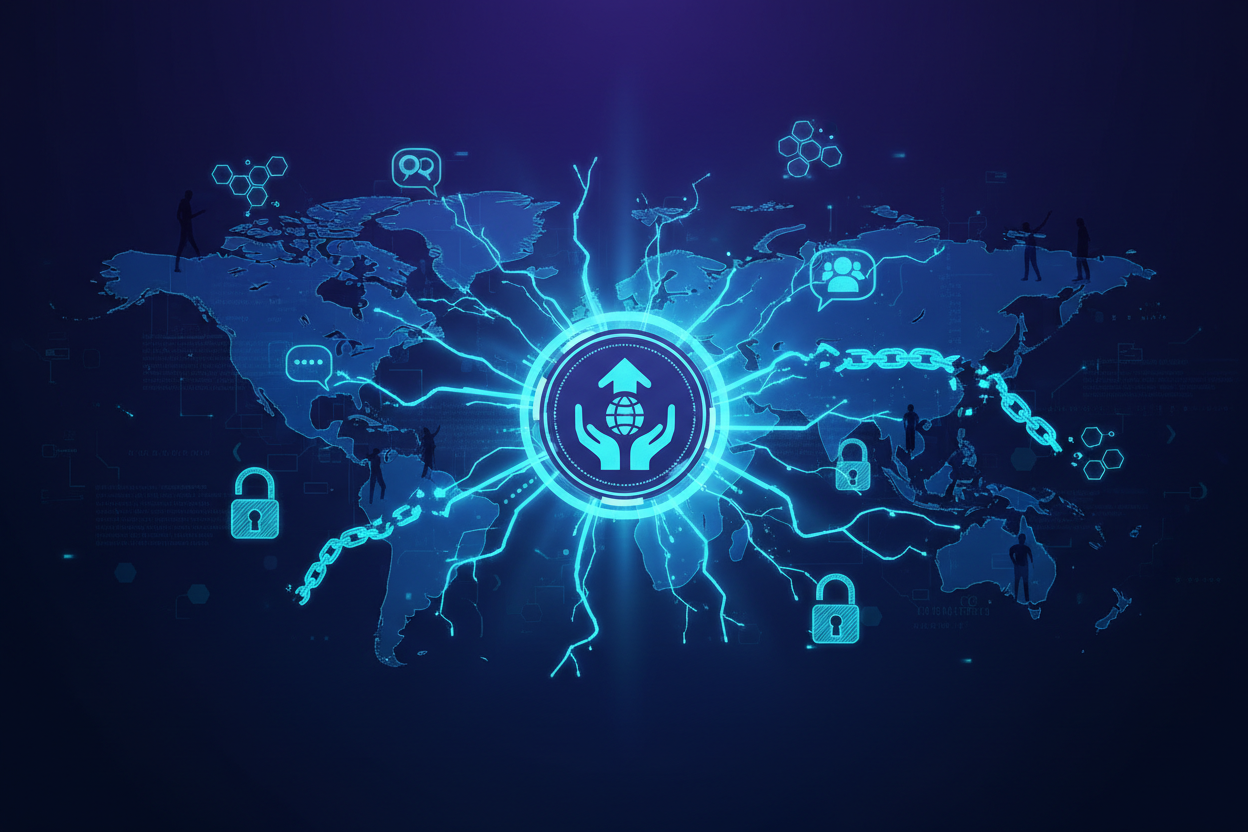
In the digital age, symbols carry immense power. They can unite communities, spark movements, and represent ideals that transcend geographical boundaries. Among the most intriguing developments in recent years has been the emergence of Elon Musk badges as unexpected symbols of free speech and digital liberty. These digital emblems have evolved from simple social media accessories into powerful representations of resistance against censorship and advocacy for open discourse online.
The phenomenon speaks to something deeper than mere celebrity worship or brand loyalty. It reflects a growing tension between institutional control and individual expression in our increasingly connected world. As traditional gatekeepers of information face challenges from decentralized platforms and independent voices, these badges have become rallying points for those who believe in unrestricted digital communication.

The Evolution of Digital Free Speech Symbols
Digital symbols of free speech aren’t new, but they’ve gained unprecedented significance in our hyperconnected era. From the early days of the internet, users have adopted various icons, memes, and badges to express their commitment to open dialogue and resistance to censorship. The Anonymous mask, the Pepe the Frog meme, and various cryptographic symbols have all served this purpose at different times.
What makes Elon Musk badges unique is their association with a real-world figure who has consistently positioned himself as a champion of free speech, particularly in digital spaces. When Musk acquired Twitter (now X) in 2022, he explicitly stated that his primary motivation was to preserve and enhance free speech on the platform. This declaration transformed his personal brand into something larger – a symbol of resistance against what many perceive as increasing digital censorship.
The badges themselves take various forms across different platforms. Some appear as profile picture overlays, others as bio descriptions or hashtags. On certain platforms, users display rocket ship emojis, references to Tesla, or direct quotes from Musk’s tweets about free speech. Each variation serves the same fundamental purpose: signaling alignment with principles of open discourse and digital liberty.
The Psychology Behind Symbol Adoption
Understanding why people adopt these symbols requires examining the psychological needs they fulfill. In an era where many feel their voices are being suppressed or marginalized by algorithmic content moderation and corporate policies, displaying a Musk badge becomes an act of digital rebellion. It’s a way of saying, “I stand for unrestricted communication” without having to articulate complex political or philosophical positions.
The human need for tribal identification plays a crucial role here. By displaying these badges, users instantly communicate their membership in a community that values free expression above content safety measures. This creates a sense of belonging and shared purpose that transcends traditional political or social boundaries. Democrats and Republicans, libertarians and progressives – people across the political spectrum have found common ground in their concern about digital censorship.
There’s also an element of aspiration involved. Musk represents, to many, the possibility of individual agency in an increasingly corporate-controlled digital landscape. His wealth and influence provide him with a platform that ordinary users lack, making him a proxy for their own desires to speak freely without fear of consequences. The badges become a way of participating in that power, even if only symbolically.
Digital Liberty in the Modern Context
The concept of digital liberty has evolved significantly since the internet’s early days. Originally, digital freedom was primarily about access – ensuring that people could get online and access information. Today, the focus has shifted to expression – protecting people’s ability to share their thoughts, opinions, and creativity without undue interference.
This shift reflects the internet’s transformation from an information repository to a primary venue for human interaction and discourse. Social media platforms have become the modern equivalent of town squares, coffee shops, and community centers. When these spaces implement strict content moderation policies, users naturally feel that their fundamental rights are being restricted.
Elon Musk badges represent a response to this perceived restriction. They embody the belief that digital platforms should operate more like public utilities than private clubs – spaces where the broadest possible range of viewpoints can be expressed and debated. This philosophy directly challenges the current model of platform governance, which relies heavily on community guidelines and automated content moderation.
The badges also reflect concerns about the concentration of power in the hands of a few large technology companies. When a small number of platforms control the majority of online discourse, their policies effectively become speech regulations for billions of people. The symbols represent a desire for more decentralized, user-controlled alternatives.
Impact on Online Communities and Discourse
The proliferation of these free speech symbols has had tangible effects on online communities and the nature of digital discourse. On platforms where they’re prevalent, there’s often a noticeable shift in conversation dynamics. Users feel more empowered to express controversial or unconventional opinions, knowing they’re part of a community that explicitly values such expression.
This has led to both positive and negative outcomes. On the positive side, many users report feeling more authentic and less constrained in their online interactions. Conversations often become more substantive and wide-ranging, touching on topics that might previously have been avoided due to fear of platform penalties or social backlash.
However, this increased openness has also created challenges. Some communities have struggled with managing genuinely harmful content while maintaining their commitment to free expression. The badges can sometimes become shields for behavior that crosses the line from free speech into harassment or misinformation. This tension highlights the ongoing difficulty of balancing liberty with responsibility in digital spaces.
The symbols have also influenced platform policies and features. Seeing large numbers of users adopt free speech badges, some platforms have reconsidered their content moderation approaches or introduced new features designed to give users more control over their own experience. This represents a form of democratic influence that traditional advocacy methods might not have achieved as quickly.
Criticism and Controversy
Not everyone views Elon Musk badges as positive symbols of digital liberty. Critics argue that they often serve as dog whistles for users who want to spread misinformation, hate speech, or other harmful content without consequences. The association with Musk himself, a polarizing figure, means the badges inevitably carry political baggage that complicates their symbolic meaning.
Some observers worry that the badges represent a simplistic understanding of free speech that ignores the complex responsibilities that come with managing large-scale digital platforms. They point out that unrestricted speech can lead to real-world harm, particularly for marginalized communities who often bear the brunt of online harassment and abuse.
There’s also concern about the cult of personality aspect. Critics argue that turning any individual into a symbol of abstract principles like free speech is inherently dangerous, as it conflates those principles with the person’s other actions and beliefs. This can lead to blind support for positions that may not actually advance digital liberty.
The commercial aspect hasn’t escaped notice either. Some critics view the badges as essentially free marketing for Musk’s various business ventures, arguing that users are being manipulated into promoting a billionaire’s brand under the guise of supporting free speech principles.
The Future of Digital Free Speech Symbols
Looking ahead, the role of symbols like Elon Musk badges in digital discourse will likely continue evolving. As new platforms emerge and existing ones adapt their policies, these symbols may migrate, transform, or be replaced entirely by new representations of digital liberty.
The underlying tensions they represent – between individual expression and community safety, between decentralized freedom and managed discourse – aren’t going away anytime soon. If anything, these issues will become more pressing as artificial intelligence, virtual reality, and other emerging technologies create new frontiers for human communication.
We may see the development of more sophisticated symbol systems that can communicate nuanced positions on free speech issues, rather than the current binary approach. Alternatively, the symbols might evolve to represent broader concepts of digital rights, including privacy, data ownership, and algorithmic transparency.
The success or failure of platforms that explicitly embrace these free speech principles will also influence the symbols’ future relevance. If such platforms thrive and provide genuinely better user experiences, the badges may become less necessary as protest symbols and more like historical artifacts of a particular moment in internet history.
Conclusion
Elon Musk badges represent far more than simple fan merchandise or social media trends. They embody a genuine grassroots movement toward greater digital liberty and serve as powerful symbols of resistance against perceived censorship in online spaces. Whether you view them as necessary tools for preserving free expression or as problematic oversimplifications of complex issues, their impact on digital discourse is undeniable.
These symbols reflect fundamental questions about how we want our digital future to look. Should online platforms prioritize safety and civility, even at the cost of restricting some forms of expression? Or should they lean toward maximum freedom, accepting the risks that come with truly open discourse? The badges represent one answer to these questions, but the broader conversation is far from over.
As we navigate an increasingly digital world, symbols like these will continue to play important roles in shaping our collective understanding of rights, responsibilities, and freedoms online. They remind us that behind every platform policy and content moderation decision are real people with genuine concerns about their ability to express themselves authentically. Whatever the future holds for digital communication, the desire for freedom that these badges represent will undoubtedly remain a driving force in how our online communities evolve.
Own a Piece of the Revolution – The Elon Musk Tribute Badge
While politicians talk and bureaucrats delay, Elon Musk builds. He made electric cars mainstream, revolutionized space travel, and defended free speech on a global stage. This isn’t just a collectible. It’s a symbol of American innovation, self-reliance, and the courage to act.
Crafted from military-grade alloy with precision 3D engraving, this limited-edition badge features Elon’s portrait alongside the iconic logos of SpaceX, Tesla, and X. Only 250 exist worldwide. No reruns. No second chances.
Whether on your desk, workshop wall, or display case, it’s a daily reminder: The future isn’t coming. You build it. Now.