The Art of 3D Engraving: How Elon Musk Badges Are Crafted to Perfection
 By
By
The Art of 3D Engraving: How Elon Musk Badges Are Crafted to Perfection
In the world of collectibles and memorabilia, few items capture the imagination quite like expertly crafted 3D engraved badges featuring iconic figures. Among these, Elon Musk badges have emerged as particularly sought-after pieces, representing not just fandom but a celebration of innovation and entrepreneurship. The creation of these miniature masterpieces involves a fascinating blend of cutting-edge technology and traditional craftsmanship that transforms simple materials into stunning three-dimensional art.
The process behind creating these badges is far more intricate than most people realize. It’s a journey that begins with digital artistry and culminates in precision manufacturing, where every detail matters and perfection is the only acceptable outcome. Whether you’re a collector, an admirer of fine craftsmanship, or simply curious about modern manufacturing techniques, understanding how these badges come to life offers a glimpse into the remarkable intersection of art and technology.
Understanding 3D Engraving Technology
3D engraving represents a quantum leap from traditional flat engraving methods. While conventional engraving creates surface-level impressions, 3D engraving builds depth and dimension that brings subjects to life. This technology utilizes computer-controlled machinery that can carve, cut, and shape materials with microscopic precision, creating layers of depth that capture even the subtlest facial features and expressions.
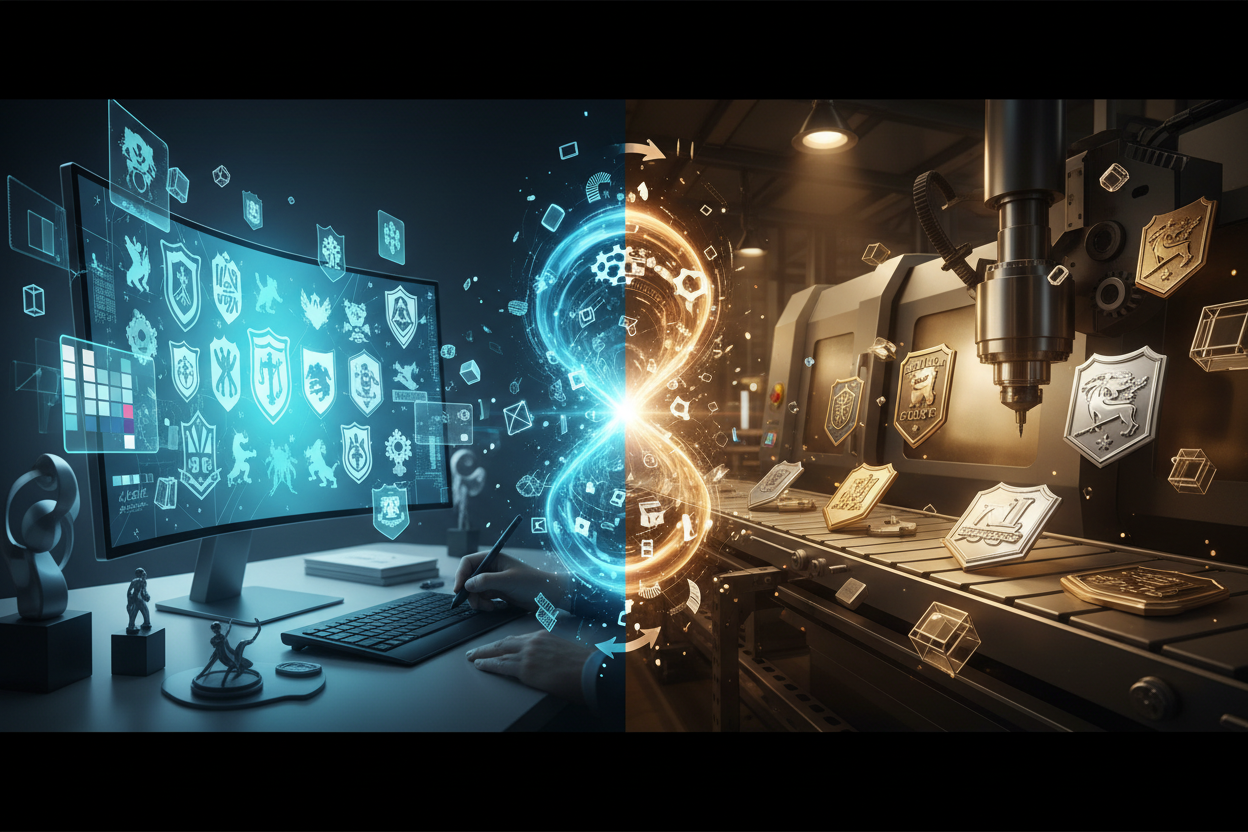
The heart of this process lies in sophisticated software that translates two-dimensional images into three-dimensional relief maps. These digital blueprints guide laser engravers and CNC machines as they methodically remove material, building up layers of detail that create the illusion of a miniature sculpture. The precision required is staggering – we’re talking about tolerances measured in fractions of millimeters.
Modern 3D engraving systems can work with various materials, from metals like aluminum and stainless steel to acrylics and specialized composites. Each material presents its own challenges and opportunities, requiring adjustments in cutting speed, power settings, and approach angles to achieve optimal results.
The Design Process: From Concept to Digital Blueprint
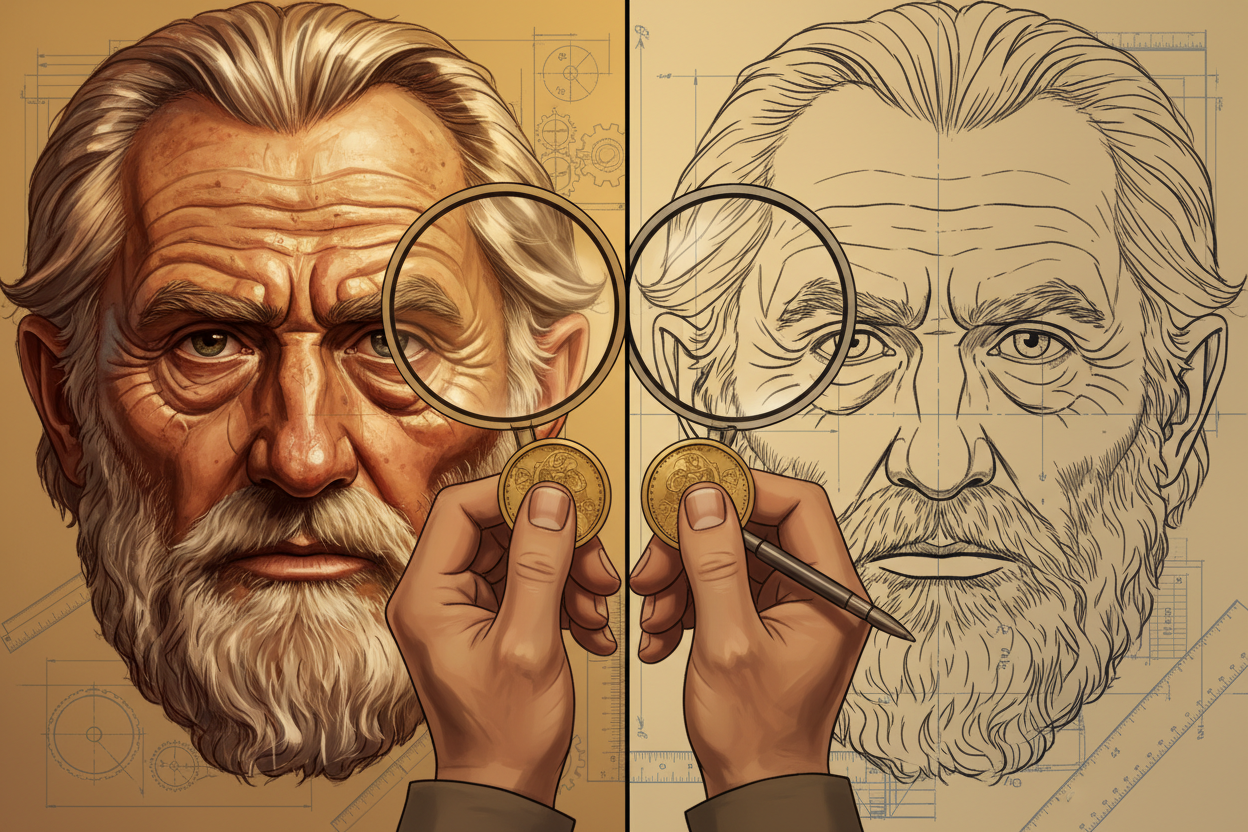
Creating an exceptional Elon Musk badge begins long before any engraving takes place. The design phase is where artistry meets technical precision, and it’s arguably the most crucial step in the entire process. Skilled designers start by studying reference photographs, analyzing facial structure, and identifying the key features that make the subject instantly recognizable.
The challenge lies in translating a complex human face into a design that will work effectively at a small scale. Not every detail from a photograph can or should be included – designers must make strategic decisions about which features to emphasize and which to simplify. This requires an understanding of both artistic principles and the technical limitations of the engraving process.
Digital sculpting software plays a vital role in this phase. Programs like ZBrush or Blender allow designers to create detailed 3D models that can be viewed from every angle, ensuring that the badge will look impressive regardless of how it’s positioned. These digital models serve as the foundation for the entire manufacturing process, so getting them right is absolutely critical.
Material Selection: Choosing the Perfect Canvas
The choice of material significantly impacts both the appearance and durability of the finished badge. Premium Elon Musk badges often utilize high-grade metals that not only provide excellent detail retention but also offer longevity that ensures the piece will remain beautiful for years to come.
Stainless steel has become a popular choice due to its corrosion resistance and ability to hold fine detail. The material’s natural luster provides an elegant backdrop that enhances the three-dimensional effect of the engraving. Aluminum offers similar benefits while being lighter in weight, making it ideal for badges that will be worn or displayed frequently.
Some manufacturers explore exotic materials like titanium or specialized alloys that offer unique properties. These materials might provide enhanced durability or distinctive visual characteristics, though they often require specialized equipment and techniques to work with effectively. The key is matching the material properties to the intended use and aesthetic goals of the finished piece.
The Engraving Process: Where Technology Meets Artistry
Once the design is finalized and materials selected, the actual engraving process begins. This is where digital plans become physical reality through a carefully orchestrated dance of precision machinery and human oversight. The process typically starts with material preparation – ensuring surfaces are perfectly clean and properly positioned within the engraving machine.
Laser engraving systems use focused light beams to vaporize material with incredible precision. The laser’s intensity and movement speed are constantly adjusted based on the digital blueprint, creating varying depths and textures across the badge surface. Different areas might require different approaches – fine facial features need gentle, precise work, while background elements might use more aggressive settings to create dramatic contrast.
CNC milling represents an alternative approach that uses physical cutting tools rather than lasers. This method can achieve different surface textures and may be preferred for certain materials or design elements. Some manufacturers combine both techniques, using each method’s strengths to achieve optimal results in different areas of the same badge.
Throughout the engraving process, quality control is paramount. Experienced operators monitor the work continuously, making real-time adjustments to ensure every detail meets exacting standards. This human element remains crucial even in our age of automation – machines provide precision, but human judgment ensures artistic excellence.
Finishing Techniques: Adding the Final Polish
The engraving process creates the basic structure of the badge, but finishing techniques transform it from a machined part into a work of art. Post-processing steps can dramatically enhance the visual impact and tactile quality of the finished piece.
Surface treatments like brushing, polishing, or texturing add character and depth to different areas of the badge. A skilled finisher might use different techniques on various portions – perhaps a mirror polish on raised areas to make them catch light, while leaving recessed areas with a matte finish to create contrast and depth.
Some badges receive additional treatments like anodizing for aluminum pieces or specialized coatings that enhance durability while adding visual interest. These processes require careful timing and precise control of chemical baths and electrical currents, adding another layer of technical complexity to the manufacturing process.
Color application, when used, represents another opportunity for artistic enhancement. Whether through painting, printing, or chemical treatments, adding color requires careful consideration of how it will interact with the three-dimensional surface topology created during engraving.
Quality Control and Precision Standards
Creating badges worthy of representing an iconic figure like Elon Musk demands uncompromising attention to quality. Every piece must meet strict standards for dimensional accuracy, surface finish, and overall appearance before it can be considered complete.
Quality control begins during the design phase and continues through every step of production. Digital models undergo thorough review to identify potential manufacturing issues before they become problems. Material inspection ensures that raw materials meet specifications for composition, hardness, and surface quality.
During production, dimensional measurements verify that engraved features match design specifications within acceptable tolerances. Surface quality inspections check for defects like scratches, incomplete engraving, or inconsistent finishes. Many manufacturers use specialized optical equipment to detect flaws that might not be visible to the naked eye.
Final inspection represents the last opportunity to ensure perfection. Each badge receives individual attention, with inspectors checking everything from overall appearance to fine detail quality. Only pieces that meet every criterion advance to packaging and shipping.
The Future of 3D Badge Engraving
As technology continues advancing, the possibilities for 3D badge creation expand dramatically. Emerging techniques like multi-axis machining and hybrid manufacturing processes promise even greater detail and complexity in future designs.
Artificial intelligence is beginning to play a role in optimizing engraving parameters and predicting potential quality issues before they occur. Machine learning algorithms can analyze thousands of previous jobs to identify the optimal settings for new projects, potentially improving both quality and efficiency.
New materials and surface treatments continue emerging, offering designers additional options for creating unique visual effects. Smart materials that change appearance based on viewing angle or environmental conditions could add dynamic elements to future badge designs.
The integration of multiple manufacturing technologies within single production systems allows for increasingly sophisticated designs that combine different materials, textures, and effects within individual pieces. This technological convergence opens up creative possibilities that were unimaginable just a few years ago.
Conclusion
The creation of premium 3D engraved Elon Musk badges represents a fascinating convergence of artistic vision, technological capability, and manufacturing precision. From the initial design concept through final quality inspection, every step requires careful attention to detail and a commitment to excellence that transforms simple materials into meaningful collectibles.
Understanding this process helps us appreciate not just the finished products, but the remarkable human ingenuity and technological advancement that makes such detailed miniature artworks possible. As we look toward the future, continued innovations in materials, machinery, and techniques promise even more impressive achievements in the art of 3D engraving.
Whether you’re considering adding such a piece to your collection or simply admiring the craftsmanship involved, these badges represent something special – a perfect marriage of cutting-edge technology and timeless artistic principles that creates lasting beauty in miniature form.
Own a Piece of the Revolution – The Elon Musk Tribute Badge
While politicians talk and bureaucrats delay, Elon Musk builds. He made electric cars mainstream, revolutionized space travel, and defended free speech on a global stage. This isn’t just a collectible. It’s a symbol of American innovation, self-reliance, and the courage to act.
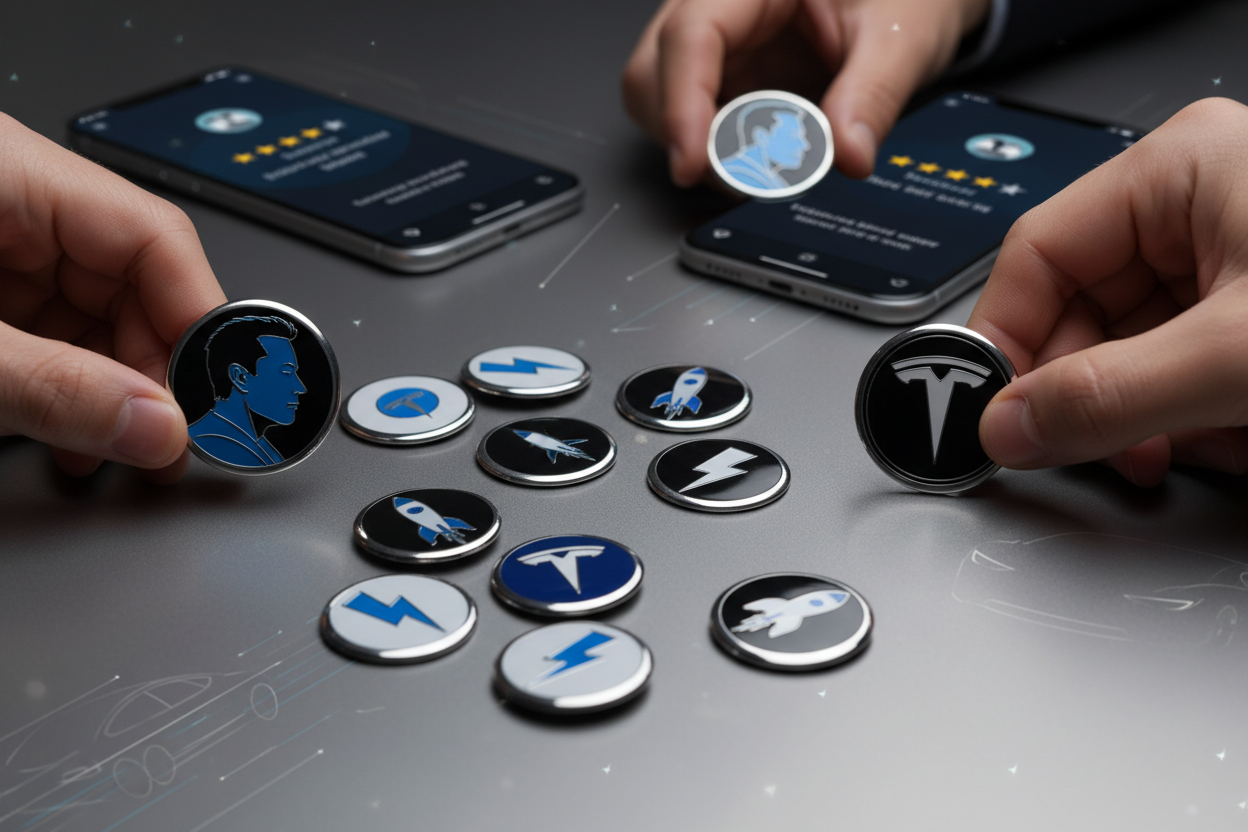
Crafted from military-grade alloy with precision 3D engraving, this limited-edition badge features Elon’s portrait alongside the iconic logos of SpaceX, Tesla, and X. Only 250 exist worldwide. No reruns. No second chances.
Whether on your desk, workshop wall, or display case, it’s a daily reminder: The future isn’t coming. You build it. Now.