The Motivational Power of Physical Reminders in Digital Workspaces
 By
By
The Motivational Power of Physical Reminders in Digital Workspaces
In our increasingly digital world, where remote work has become the norm and virtual meetings replace face-to-face interactions, something crucial often gets lost in translation: the tangible, physical elements that once motivated us in traditional office spaces. While we’ve embraced the convenience of cloud-based productivity tools and digital task managers, many professionals find themselves struggling with motivation and focus in their home offices or remote workspaces.
The solution might be simpler than you think. By strategically incorporating physical reminders into your digital workspace, you can bridge the gap between the virtual and tangible worlds, creating a more engaging and motivating work environment that drives productivity and maintains your connection to your goals.

Why Physical Reminders Matter in a Digital Age
Our brains are wired to respond differently to physical objects compared to digital representations. When you touch, move, or simply see a physical reminder, multiple sensory pathways activate simultaneously, creating stronger neural connections and more memorable experiences. This phenomenon, known as embodied cognition, explains why writing notes by hand often leads to better retention than typing them on a keyboard.
Research conducted by neuroscientists at UCLA found that physical interaction with objects activates the motor cortex in ways that purely visual stimuli cannot. This means that a physical sticky note on your monitor carries more psychological weight than a digital reminder notification that disappears after a few seconds.
Consider Sarah, a marketing manager who transitioned to remote work in 2020. Despite having access to sophisticated project management software, she found herself constantly losing track of her quarterly goals. It wasn’t until she printed out her objectives and placed them strategically around her home office that she began consistently hitting her targets. The physical presence of these reminders created a constant, gentle pressure that digital notifications simply couldn’t replicate.
The Psychology Behind Tangible Motivation
Physical reminders work because they exist in our peripheral vision, creating what psychologists call “ambient awareness.” Unlike digital notifications that demand immediate attention or disappear entirely, physical objects maintain a consistent presence in your environment. This steady visibility helps keep important information at the forefront of your consciousness without being disruptive.
The tactile nature of physical reminders also engages what researchers term “haptic memory” – the way our brains store information associated with touch and physical manipulation. When you write a goal on a piece of paper, fold it, and place it somewhere meaningful, you’re creating multiple memory anchors that strengthen your commitment to that objective.
Furthermore, physical reminders can serve as powerful triggers for positive emotions and memories. A photo from a successful project, a small trophy from a work achievement, or even a meaningful quote written in your own handwriting can instantly transport you back to feelings of accomplishment and motivation when you need them most.
Strategic Placement of Physical Motivators
The effectiveness of physical reminders largely depends on their strategic placement within your workspace. The goal is to position them where they’ll naturally catch your attention throughout your workday without becoming visual clutter that diminishes their impact.
Your computer monitor serves as the prime real estate for physical reminders. Small sticky notes along the edges can display daily affirmations, key deadlines, or important phone numbers. However, avoid overcrowding this space – three to five strategically placed notes are far more effective than a dozen competing for attention.
The area directly in front of your keyboard represents another valuable zone. A small card with your current priority project or a meaningful quote can serve as a constant reminder of what matters most. This placement ensures you’ll see the reminder every time you begin typing, creating natural moments of refocusing throughout your day.
Don’t overlook the power of eye-level placement. A vision board, inspirational photo, or printed goal sheet positioned at your natural eye level when you look up from your screen can provide powerful motivation during moments of frustration or fatigue. This placement mimics the natural human tendency to look up when thinking or processing information.
Digital-Physical Integration Strategies
The most effective approach to workspace motivation combines digital efficiency with physical presence. Rather than viewing these as competing systems, successful remote workers learn to leverage the strengths of both approaches.
One powerful strategy involves printing key information from your digital tools and displaying it physically. Your project management dashboard might track dozens of tasks, but printing your top three priorities for the week and placing them prominently in your workspace creates focused attention on what truly matters.
Calendar integration offers another opportunity for digital-physical synergy. While your digital calendar manages scheduling and sends notifications, a physical desk calendar or whiteboard can display monthly goals, important deadlines, or project milestones in a format that’s always visible and easily referenced.
Progress tracking becomes more engaging when you combine digital data collection with physical visualization. Many professionals find that maintaining a physical chart or graph of their progress – whether it’s sales numbers, fitness goals, or learning objectives – provides more satisfaction and motivation than purely digital tracking systems.
Creative Physical Reminder Ideas for Remote Workers
Innovation in physical reminders doesn’t require expensive equipment or complex systems. Some of the most effective motivational tools are simple, personalized, and meaningful to the individual user.
A “success jar” can serve as a powerful physical reminder of your achievements. Each time you complete a significant task or reach a milestone, write it on a small piece of paper and add it to the jar. During challenging periods, reading through these accumulated successes provides tangible evidence of your capabilities and progress.
Desk accessories with motivational purposes can seamlessly blend function with inspiration. A paperweight engraved with your company’s mission statement, a pen holder that displays your personal motto, or a picture frame showcasing your professional achievements can provide constant, subtle reinforcement of your goals and values.
The concept of a “motivation station” involves dedicating a specific area of your workspace to physical reminders and inspirational items. This might include a small bulletin board with photos from successful projects, thank-you notes from clients or colleagues, certificates of achievement, or quotes that resonate with your professional journey.
Seasonal rotation of physical reminders can maintain their effectiveness over time. Just as restaurants change their menus to maintain customer interest, regularly updating your physical motivators prevents them from becoming invisible background elements that lose their impact.
Measuring the Impact of Physical Reminders
To truly understand the effectiveness of physical reminders in your digital workspace, it’s important to establish baseline measurements and track changes over time. This doesn’t require complex analytics – simple self-assessment and basic productivity metrics can provide valuable insights.
Start by documenting your current productivity patterns, motivation levels, and goal achievement rates before implementing physical reminders. After introducing these elements to your workspace, monitor changes in your daily focus, task completion rates, and overall satisfaction with your work environment.
Pay attention to qualitative changes as well. Do you find yourself thinking about your goals more frequently? Are you more likely to take breaks when you need them because a physical reminder prompts self-care? Do you feel more connected to your work’s purpose and meaning?
Many professionals discover that physical reminders create a ripple effect, improving not just their productivity but their overall relationship with their work. The tangible nature of these motivators can help bridge the emotional distance that sometimes develops in purely digital work environments.
Overcoming Common Challenges
While physical reminders offer significant benefits, implementing them effectively requires addressing several common challenges that remote workers face.
Clutter concerns rank among the most frequent objections to physical reminders. The key lies in curation rather than accumulation. Choose a limited number of truly meaningful reminders and rotate them regularly rather than continuously adding new items. Quality and personal significance matter far more than quantity.
Space limitations in home offices can make physical reminders seem impractical. However, even the smallest workspace can accommodate strategic physical motivators. A single inspirational photo, a small desk plant, or a meaningful object can provide significant motivational value without requiring substantial space.
Maintaining relevance over time requires intentional effort. Physical reminders can become invisible if they remain unchanged for too long. Establish a monthly or quarterly review process to assess which reminders are still serving their purpose and which might need updating or replacement.
Building Your Physical Reminder System
Creating an effective physical reminder system begins with honest self-reflection about your motivational needs and workspace constraints. Consider what times of day you typically experience energy dips, what types of goals you struggle to maintain focus on, and what physical objects or visual elements have motivated you in the past.
Start small with one or two carefully chosen physical reminders rather than attempting to transform your entire workspace overnight. This approach allows you to assess what works for your specific situation and personality before making larger investments in physical motivational tools.
Document what works and what doesn’t. Keep a simple log of which physical reminders you notice most frequently, which ones prompt action, and which ones seem to fade into the background. This information will guide future decisions about placement, content, and rotation of your motivational elements.
Remember that the most effective physical reminders are deeply personal. What motivates your colleague might not resonate with you, and that’s perfectly normal. The goal is to create a system that speaks to your individual values, goals, and working style.
Conclusion
In our rush to embrace digital efficiency, we shouldn’t overlook the profound motivational power of physical reminders in our workspaces. These tangible elements serve as bridges between our digital tools and our human need for concrete, meaningful connections to our goals and values.
The integration of physical reminders into digital workspaces isn’t about rejecting technology or returning to outdated methods. Instead, it’s about creating a more complete, engaging work environment that leverages both digital efficiency and human psychology to drive motivation and productivity.
As remote work continues to evolve, those who master the art of combining digital capabilities with physical motivation will find themselves better equipped to maintain focus, achieve goals, and find satisfaction in their professional endeavors. The investment in physical reminders is small, but the potential impact on your work life and overall success can be transformational.
Start today with a single, meaningful physical reminder in your workspace. You might be surprised by how much this simple addition can enhance your motivation and connection to your work in our increasingly digital world.
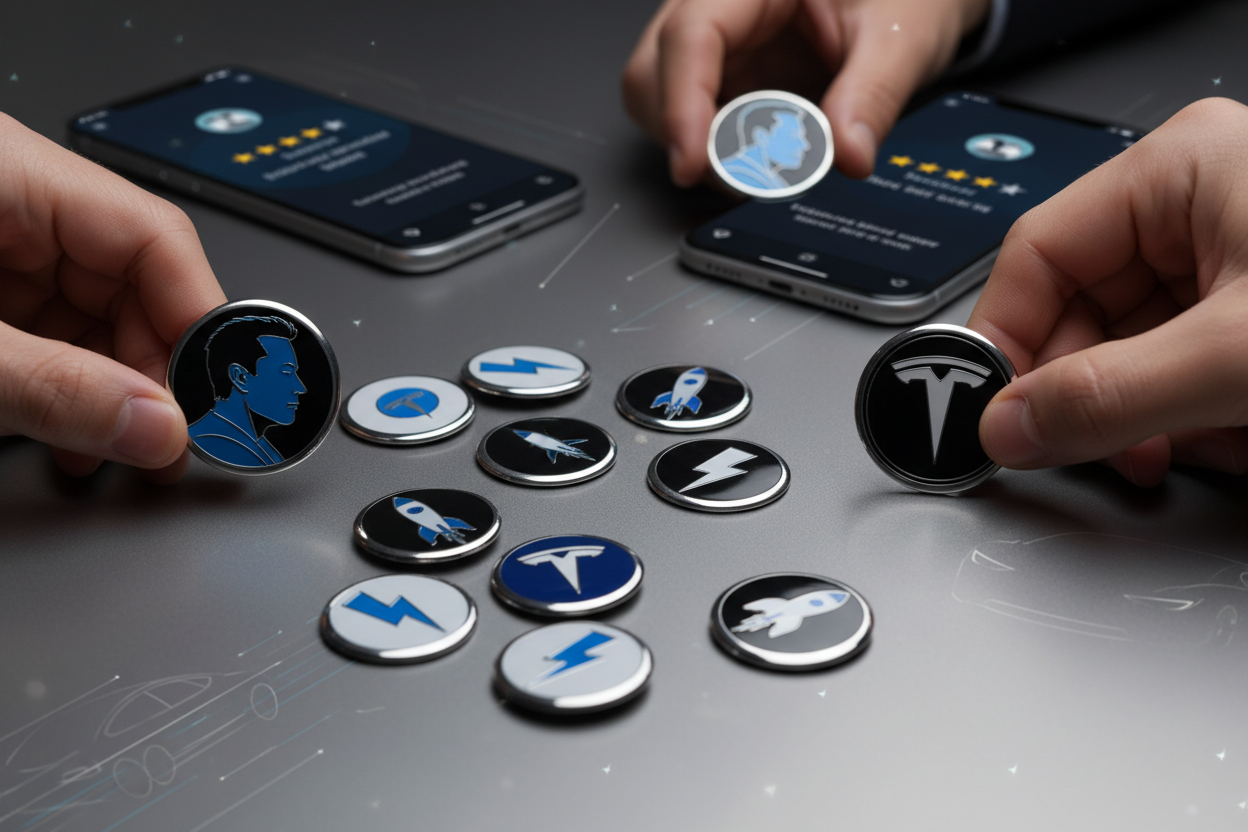
Own a Piece of the Revolution – The Elon Musk Tribute Badge
While politicians talk and bureaucrats delay, Elon Musk builds. He made electric cars mainstream, revolutionized space travel, and defended free speech on a global stage. This isn’t just a collectible. It’s a symbol of American innovation, self-reliance, and the courage to act.
Crafted from military-grade alloy with precision 3D engraving, this limited-edition badge features Elon’s portrait alongside the iconic logos of SpaceX, Tesla, and X. Only 250 exist worldwide. No reruns. No second chances.
Whether on your desk, workshop wall, or display case, it’s a daily reminder: The future isn’t coming. You build it. Now.